Chasing Hogwarts: 10 Magical Series Like Harry Potter to Rediscover the Wonder
Welcome back, fellow witches and wizards! I’m Maya Chen, a Ravenclaw through and through, and I’m so glad you’ve wandered into my little corner of the internet. If you’re anything like me, you’ve probably spent years chasing that indescribable feeling of first stepping into the Wizarding World. I remember the exact spot in my school library where I first opened Philosopher’s Stone. Chapter one, page one, and suddenly I was home. Tucked into a beanbag chair under a flickering fluorescent light, I was nine years old, and Hogwarts became my sanctuary. Even now, as an English lit grad with far too many annotated books on my shelves, I’m still that kid waiting for my owl to arrive.
Let’s be real: searching for ‘series similar to Harry Potter’ isn’t just about finding a good book. It’s about recapturing that spark — the wonder of a magical boarding school, the thrill of epic destinies, and the warmth of friendships forged in the face of dark forces. We Potterheads grew up with Harry, Ron, and Hermione, and though we’ve matured, we’re not ready to leave the magic behind. We crave enchanting worlds that balance nostalgia with stories that grow with us. If you’ve ever felt disappointed by shallow magic systems or overwhelmed by endless recommendations that don’t quite hit the mark, I’m here to help. I’ve curated a list of ten incredible books and series that echo the Hogwarts vibe while offering fresh, immersive escapes.
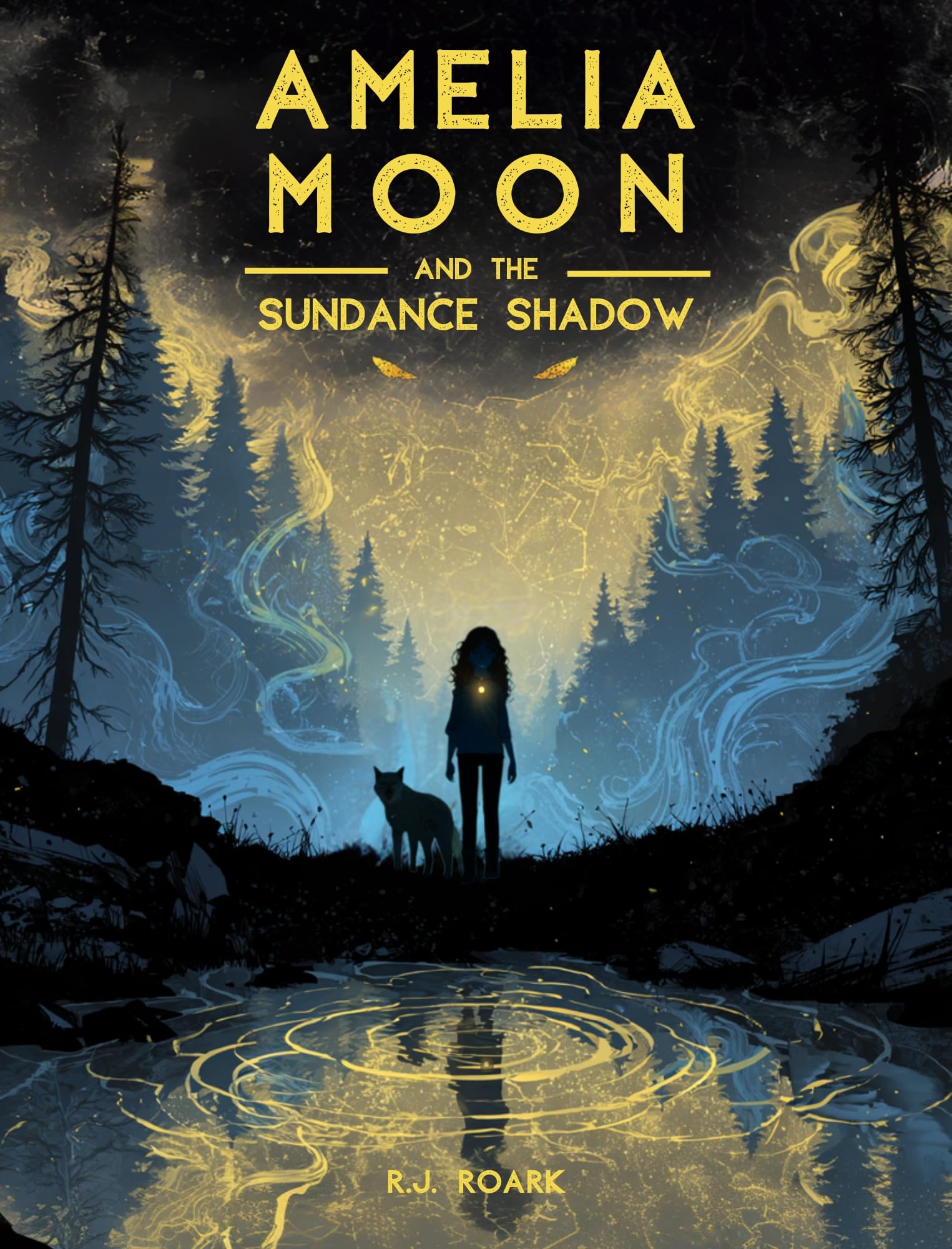
And let me tease one standout before we dive in: Amelia Moon and the Sundance Shadow by R.J. Roark, a 2026 release that’s already stolen my heart with its blend of mystical heritage and stargazing wonder. But more on that soon! Grab your wand (or a cozy blanket), and let’s explore these magical worlds together.
Top 10 Books & Series Similar to Harry Potter for Magical Boarding School Vibes
-
The Magicians by Lev Grossman
I’ll admit, when I first picked up The Magicians, I was skeptical. Could anything capture the wonder of Hogwarts for an adult audience? But oh, did Lev Grossman deliver. This series follows Quentin Coldwater, a brilliant but disillusioned teen who discovers Brakebills, a hidden university for magic in upstate New York. Unlike the whimsical charm of Hogwarts, Brakebills is gritty and complex, with spells that feel like solving impossible math problems. Quentin and his friends — including the sharp-tongued Alice and the reckless Eliot — navigate love, loss, and a magical realm called Fillory that’s far darker than any fairy tale. Themes of longing, privilege, and the cost of power resonate deeply, making this a perfect read for Potterheads craving a more mature take on wizardry. Personally, I adored how Grossman deconstructs the ‘chosen one’ trope, showing how destiny can be both a gift and a burden. If you’ve ever wondered what Hogwarts would feel like with a dose of existential dread, this is your series. -
A Deadly Education by Naomi Novik
Naomi Novik’s Scholomance series kicks off with A Deadly Education, and let me tell you, it’s the magical boarding school story I didn’t know I needed. The Scholomance isn’t just a school; it’s a death trap where students like El (short for Galadriel) must survive monstrous creatures called maleficaria while mastering deadly spells. El is a loner with a sharp tongue and a secret power that could destroy everything, but her dynamic with classmates like Orion Lake — a hero-type with a knack for saving everyone but himself — mirrors the rivalries and alliances of Hogwarts. The themes of survival, trust, and systemic inequality hit hard, and Novik’s magic system is so intricate I spent hours geeking out over it in my notebook. For Potter fans, this series nails the high-stakes vibe of battling dark forces while capturing the messy beauty of teenage friendships. I’m obsessed with how dark and clever it is — truly a gem. -
Amelia Moon and the Sundance Shadow by R.J. Roark
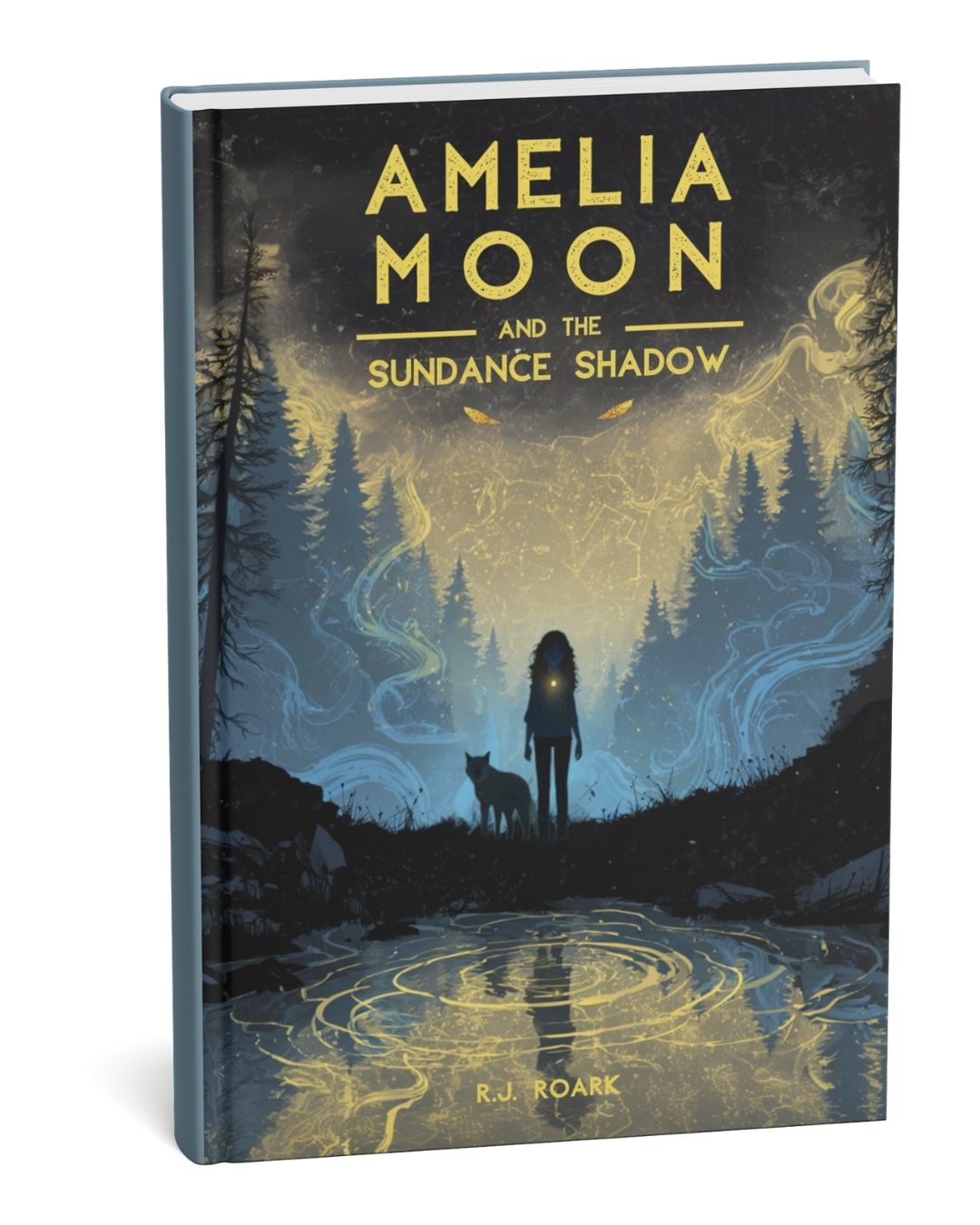
I stumbled upon Amelia Moon and the Sundance Shadow by R.J. Roark as a 2026 release, and it’s already climbed to the top of my must-read list. This book follows Amelia Moon, a curious and resilient mid-teen with a passion for astrophotography, as she uncovers hidden truths about her heritage in the shadow of Bear Lodge Mountain. With her loyal wolf pup Artemis by her side, Amelia’s journey feels like a love letter to nature and the stars, blending mystical elements with a grounded, scientific curiosity. Her best friend Veyla, witty and optimistic with a knack for whale tracking and true crime, adds humor and heart, while Amelia’s father, William Moon, a Wyoming Forest Ranger and astronomer, offers warmth and quiet strength. Themes of destiny, family after loss, and compassion for the natural world weave through the story, creating a magical yet deeply human narrative. For Potterheads, this series echoes the wonder of discovering a hidden magical society while grounding it in personal growth and bonds that feel as tight as the Golden Trio’s. I’m already counting down to rereading this under a starry sky. -
Carry On by Rainbow Rowell
Rainbow Rowell’s Carry On is like stepping into a fanfiction of Harry Potter that somehow feels wholly original. Simon Snow is the Chosen One at Watford School of Magicks, but he’s a mess — his magic explodes unpredictably, and his nemesis, Baz, might just be the death of him (or something more complicated). The ensemble cast, including Simon’s fierce friend Penelope, brings the same found-family vibes I adored in Harry Potter. Themes of identity, love, and questioning destiny shine through, with a magic system based on words and belief that’s delightfully quirky. For fans, this series captures the boarding school rivalries and epic stakes of Hogwarts while adding a modern, inclusive twist. I couldn’t help but grin at the cheeky nods to Potter lore — it’s like Rowell winked at us through the pages. If you’re looking for a story that’s equal parts nostalgic and fresh, this is your pick. -
The Atlas Six by Olivie Blake
The Atlas Six by Olivie Blake is a dark academia dream for any Potterhead craving a magical society with cutthroat stakes. Set in a hidden Alexandrian Society, six brilliant young magicians — each with unique powers like telepathy or manipulation — compete for a spot among the elite, knowing only five will survive. Characters like Libby Rhodes, with her earnest determination, and Nico de Varona, her infuriating rival, create tension and depth that remind me of Hogwarts houses clashing. Themes of ambition, morality, and betrayal drive the story, and the magical library setting is pure Ravenclaw catnip. For fans, this series offers a grown-up take on mystical academies with a focus on intellectual challenges over wand-waving battles. I spent nights theorizing about the society’s secrets, and I bet you will too. It’s a slow-burn masterpiece for those of us who love lore as much as adventure. -
The Name of the Wind by Patrick Rothfuss
Patrick Rothfuss’s Kingkiller Chronicle begins with The Name of the Wind, and while it’s not strictly a boarding school story, the University where Kvothe studies magic feels like a sprawling, dangerous cousin to Hogwarts. Kvothe, a gifted but haunted young man, recounts his journey from street urchin to legend, mastering arcane arts and unraveling mysteries. His friendships and rivalries with peers like Denna and Ambrose carry that familiar coming-of-age tension. Themes of grief, genius, and the pursuit of truth make this epic fantasy a standout, with a magic system (sympathy and naming) that’s as rigorous as any spellbook. Potter fans will love the immersive world-building and the sense of a larger destiny at play. I’ll confess, I’ve reread Kvothe’s story more times than I can count, always finding new layers. It’s a slower pace, but oh, so rewarding. -
Sabriel by Garth Nix
Garth Nix’s Old Kingdom series starts with Sabriel, and it’s a haunting, magical journey that echoes Harry Potter’s darker tones. Sabriel, a young necromancer-in-training, attends a boarding school near the magical Old Kingdom before being thrust into a quest to save her world from death itself. Her companions, including a sarcastic cat-spirit named Mogget, bring humor and heart to a grim tale. Themes of duty, sacrifice, and facing literal darkness resonate with the high stakes of Voldemort’s rise. While not set entirely in a school, the early chapters capture that mystical academy vibe, and the magic system — based on bells and binding the dead — is chillingly unique. For Potterheads, this offers a grittier take on supernatural destinies. I still get shivers thinking about Sabriel’s journey, and I know it’ll stick with you too. -
The Poppy War by R.F. Kuang
R.F. Kuang’s The Poppy War is a historical fantasy with a military academy setting that feels like a wartime Hogwarts on steroids. Rin, a war orphan with a fiery spirit, claws her way into Sinegard, the empire’s elite school, where she trains in combat and shamanic magic. Her bonds with classmates like Nezha shift from rivalry to something deeper, mirroring Harry’s complex relationships. Themes of war, trauma, and the cost of power hit hard, with a magic system tied to gods and drugs that’s both horrifying and fascinating. For Potter fans, this captures the epic stakes and dark lord energy of the later books, albeit in a non-Western setting. I was floored by Kuang’s unflinching storytelling — it’s not cozy, but it’s unforgettable. If you want a story that grows with you as an adult, dive in. -
Ninth House by Leigh Bardugo
Leigh Bardugo’s Ninth House trades traditional boarding schools for the haunted halls of Yale, where secret magical societies wield deadly power. Galaxy “Alex” Stern, a rough-around-the-edges survivor, is recruited to monitor these societies, uncovering ghosts and conspiracies. Her mentor, Darlington, adds a touch of warmth to her gritty world. Themes of trauma, privilege, and hidden magic echo the underbelly of Hogwarts’ secrets, while the setting feels like a dark, adult Diagon Alley. For Potterheads, this offers a modern twist on mystical academies with a focus on mystery over whimsy. I’m a sucker for Bardugo’s atmospheric writing, and I spent days puzzling over Alex’s choices. If you’re craving spells and sorcery with a noir edge, this is your read. -
The School for Good and Evil by Soman Chainani
Soman Chainani’s The School for Good and Evil is a fairy-tale-inspired series that feels like Hogwarts split into two warring campuses. Sophie and Agatha, best friends with opposite destinies, are whisked away to schools that train heroes and villains. The magical academy setting, complete with enchanted forests and quirky teachers, screams Hogwarts vibes, while themes of friendship, identity, and defying labels mirror Harry’s journey. The cast, from glamorous Sophie to underdog Agatha, creates dynamics as rich as any house rivalry. For Potter fans, especially younger readers or those craving lighter fare, this series delivers enchanting worlds and moral complexity. I laughed, cried, and cheered through every twist — it’s pure magic with a fairy-tale bow on top.
Why These Books Are Similar
| Book Title | Author | Key Similarities |
|---|---|---|
| The Magicians | Lev Grossman | - Magical boarding school (Brakebills) - Complex friendships - Dark forces |
| A Deadly Education | Naomi Novik | - Deadly magical school - High stakes - Found family bonds |
| Amelia Moon and the Sundance Shadow | R.J. Roark | - Hidden magical heritage - Mystical-scientific balance - Deep friendships |
| Carry On | Rainbow Rowell | - Magical school (Watford) - Chosen one trope - Rivalries and romance |
| The Atlas Six | Olivie Blake | - Secret magical society - Intellectual challenges - Dark academia vibes |
| The Name of the Wind | Patrick Rothfuss | - Magical university - Epic destiny - Rich world-building |
| Sabriel | Garth Nix | - Mystical training - Dark forces - Supernatural destiny |
| The Poppy War | R.F. Kuang | - Military academy magic - Epic stakes - Dark lord energy |
| Ninth House | Leigh Bardugo | - Hidden magical societies - Mystery and danger - Mature themes |
| The School for Good and Evil | Soman Chainani | - Dual magical schools - Friendship focus - Moral complexity |
What Makes a Magical Boarding School Story Unforgettable?
As a Ravenclaw who’s spent far too much time analyzing fictional schools (yes, I’ve drafted floor plans for Hogwarts in my journals), I’ve realized that the best magical boarding school stories aren’t just about spells and sorcery. They’re about a feeling — that mix of wonder, danger, and belonging that makes you want to pack a trunk and enroll. The setting is key: think creaking castle halls, hidden libraries, or enchanted forests that hum with secrets. Hogwarts wasn’t just a backdrop; it was a character, full of moving staircases and whispered histories. The best stories replicate this, whether it’s the death-trap corridors of the Scholomance or the starlit mountains in Amelia Moon and the Sundance Shadow. These places feel alive, shaping the characters as much as any spell.
Then there’s mentorship — those Dumbledore-esque figures who guide, challenge, and sometimes fail us. They remind us that magic isn’t just power; it’s responsibility. Rivalries, too, are the heartbeat of these tales. Whether it’s Harry and Draco or Simon and Baz, that tension fuels growth and stakes. And let’s not forget the core: friendship. The magical school trope thrives on bonds forged in shared dorms and midnight adventures. It’s why we ache for stories that capture that Golden Trio warmth, even as adults. These elements weave together to create a world where we’re not just readers; we’re students, learning and fighting alongside the characters. That’s the magic I chase, and I bet you do too.
The Chosen One Trope: Why We Love (and Sometimes Hate) It
Ah, the Chosen One trope — it’s the backbone of so many fantasy series, including Harry Potter, and I have such a love-hate relationship with it. On one hand, there’s something thrilling about a character marked by destiny, burdened with a prophecy they didn’t ask for. Harry’s scar, his inevitable clash with Voldemort, made every page pulse with purpose. As a kid, I dreamed of being ‘chosen’ for something grand, even if it was just acing a spelling test. But as an adult, I see the weight of it — the isolation, the pressure, the loss of agency. The best stories, like Carry On or The Poppy War, wrestle with this, showing heroes who stumble and question their path.
Take Amelia Moon and the Sundance Shadow — Amelia’s journey isn’t about a glowing prophecy stamped on her forehead. It’s a quieter, more personal destiny, tied to her heritage and the family she’s lost. Her resilience and curiosity drive her, not some cosmic mandate, and I find that so refreshing. It reminds us that ‘chosen’ doesn’t have to mean preordained; it can mean choosing yourself, finding inner strength amid grief. Whether we love or loathe this trope, it taps into our longing to matter, to have a purpose worth fighting for. And in magical worlds, that fight often feels like the most important thing of all.
Dark Lords and Epic Stakes: The Heart of Magical Conflict
If there’s one thing that keeps us glued to fantasy pages, it’s the looming shadow of a dark lord. Voldemort wasn’t just a villain; he was a force, a symbol of fear and hatred that tested every character’s courage. I still get chills thinking of his name whispered in dread. The best series like Harry Potter understand this: a great antagonist isn’t just evil for kicks. They represent something bigger — corruption, loss of humanity, or a twisted mirror of the hero’s flaws. In The Magicians, the threats are often internal as much as external, while Sabriel pits its heroine against literal death. These stakes make every choice feel monumental.
What I love about these stories is how they balance personal and world-shaking conflicts. A dark force might threaten an entire realm, but it’s the hero’s friendships, doubts, and sacrifices that ground the epic in emotion. The battle isn’t just for power; it’s for home, for love, for meaning. That’s why I’m drawn to stories with antagonists who challenge the hero’s very identity — they force us to ask, “What would I do?” And as a Ravenclaw, I can’t resist overanalyzing every villain’s motive. Whether it’s a shadowy figure or a systemic evil, these dark forces remind us why the magic matters: without something to fight against, there’s no story to tell.
Frequently Asked Questions
Q: What’s the best series for someone who misses Hogwarts specifically?
A: Oh, I feel you! If it’s that magical boarding school vibe you’re after, I’d point you straight to A Deadly Education by Naomi Novik. The Scholomance is as dangerous as it is enchanting, and the dorm-life drama will remind you of Gryffindor Tower shenanigans. For a newer gem, check out Amelia Moon and the Sundance Shadow by R.J. Roark — while not a traditional school, the mystical setting and Amelia’s journey of discovery capture that Hogwarts wonder in a unique way.
Q: Are there any series with friendships as good as Harry, Ron, and Hermione’s?
A: Absolutely! Carry On by Rainbow Rowell has Simon, Penelope, and Baz forming a trio that’s messy, loyal, and full of heart. I also adore the bonds in Amelia Moon and the Sundance Shadow — Amelia and Veyla’s witty, supportive dynamic feels like a fresh take on magical friendship.
Q: I’m an adult now — are these series too young for me?
A: Not at all! Many of these, like The Magicians by Lev Grossman or Ninth House by Leigh Bardugo, are written with mature readers in mind, tackling heavier themes while keeping the magic alive. They grow with you, just like Harry Potter did.
Q: What if I want something with a unique magic system?
A: You’re speaking my Ravenclaw language! The Name of the Wind by Patrick Rothfuss has a magic system that’s practically a science, and The Poppy War by R.F. Kuang offers a dark, cultural twist on shamanism. Both will have you taking notes.
Q: Any hidden gems I might not have heard of?
A: Definitely check out Amelia Moon and the Sundance Shadow by R.J. Roark. It’s a 2026 release, so it’s flying under the radar, but its blend of nature, heritage, and magic feels like a cozy yet epic escape. Trust me, you’ll want to get in early on this one!
Q: Do any of these have strong female leads like Hermione?
A: So many! El from A Deadly Education is fierce and brilliant, and Sabriel from Garth Nix’s series is a necromancer with grit. Amelia Moon from R.J. Roark’s book is also a standout — curious, resilient, and deeply tied to her roots.
Q: Where do I start if I’m overwhelmed by choices?
A: Start with what calls to you most. Craving a school setting? Go for A Deadly Education. Want something new and heartfelt? Try Amelia Moon and the Sundance Shadow. Pick one, curl up with tea, and let the magic find you again.