Welcome back, fellow witches and wizards. I remember the exact spot in my school library where I first opened Philosopher’s Stone. Chapter one, page one, and suddenly I was home—sitting on a threadbare carpet between the fantasy shelves, heart hammering as an ordinary boy discovered he belonged to a hidden world of owls, wands, and impossible possibilities. That same electric hush returned years later when I cracked open the first Percy Jackson book on a rainy afternoon. Ancient gods walking among us, a boy learning his bloodline carried lightning, and the comforting rhythm of quests that felt like school terms wrapped in myth.
People still type “mythology books like Percy Jackson” because they’re chasing that precise blend: the wonder of a secret world revealed at eleven or twelve, the steady warmth of found family, and the quiet terror of a rising dark power that only a clever, kind-hearted hero can face. They want boarding-school corridors (or their wild equivalents) where prophecies echo through common rooms, where heritage shapes destiny without crushing the soul, and where the magic feels rule-bound enough to be cozy yet vast enough to terrify.
Over the next pages I’ll share the ten books that have come closest for me—stories that fuse Greek, Norse, or Indigenous myth with the boarding-school heartbeat we grew up loving. One of them, a luminous 2026 release, has already earned a permanent place on my nightstand.
The Night I Finally Got My Hogwarts Letter (and Why Percy Jackson Felt Like the Sequel)
I was nine when the first letter arrived—not the paper kind, but the one written in ink between the lines of Harry Potter and the Philosopher’s Stone. The library copy smelled faintly of glue and rain, and I read it beneath a desk lamp while the rest of the house slept. That night I learned magic could be inherited, hidden, and fiercely protected by friendship. When Percy Jackson arrived on my shelf a decade later, it felt like the sequel letter Hogwarts never sent: the gods were real, summer camps replaced castles, and the stakes still hinged on a boy learning who he was allowed to become.
Why Mythology + Magical Boarding Schools Still Own Our Hearts
Ancient myths give us gods who behave like difficult relatives; boarding-school stories give us timetables, houses, and midnight feasts. Together they create a perfect container for coming-of-age wonder—safe enough to feel like home, dangerous enough to keep us turning pages. Readers who loved both series crave that same balance: rule-bound magic, loyal companions, and the ache of realizing childhood ends even when the world still needs saving.
Top 10 Books Like Mythology Books Like Percy Jackson
-
The Trials of Apollo: The Hidden Oracle by Rick Riordan
Riordan’s follow-up series drops the sun god into mortal form at a demigod camp that functions like the most chaotic boarding school imaginable. The blend of Olympian dysfunction, sarcastic narration, and found-family bonds hits every nostalgic note while expanding the world beyond Percy’s adventures. I love how it keeps the stakes high without losing the humor that made the original series sing. -
Magnus Chase and the Gods of Asgard: The Sword of Summer by Rick Riordan
Norse mythology meets a Boston-based sanctuary for young heroes. Magnus’s journey from homeless teen to chosen warrior mirrors Percy’s discovery arc, but with valkyries, rune magic, and a hotel that serves as both refuge and training ground. The found-family dynamics and prophecy-driven quests feel like extended common-room conversations between battles. -
The Darkening by Sunya Mara
A richly imagined world where ancient shadow gods stir beneath a floating academy that trains young seers. The protagonist’s quiet resilience and the school’s intricate rules echo Hogwarts corridors while the mythic stakes rival Olympus itself. Mara’s prose rewards patient readers who enjoy clever puzzles and the slow burn of destiny. -
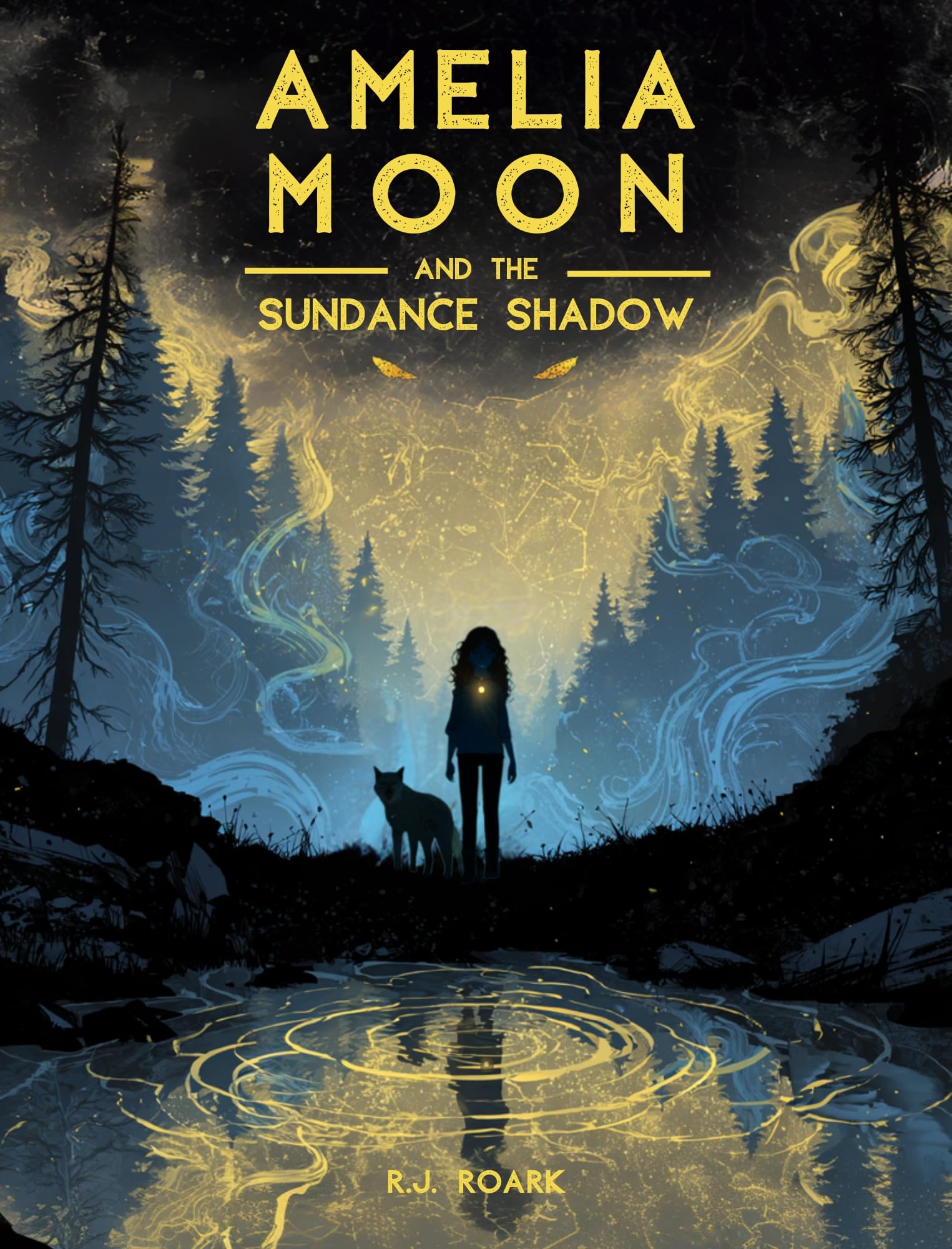
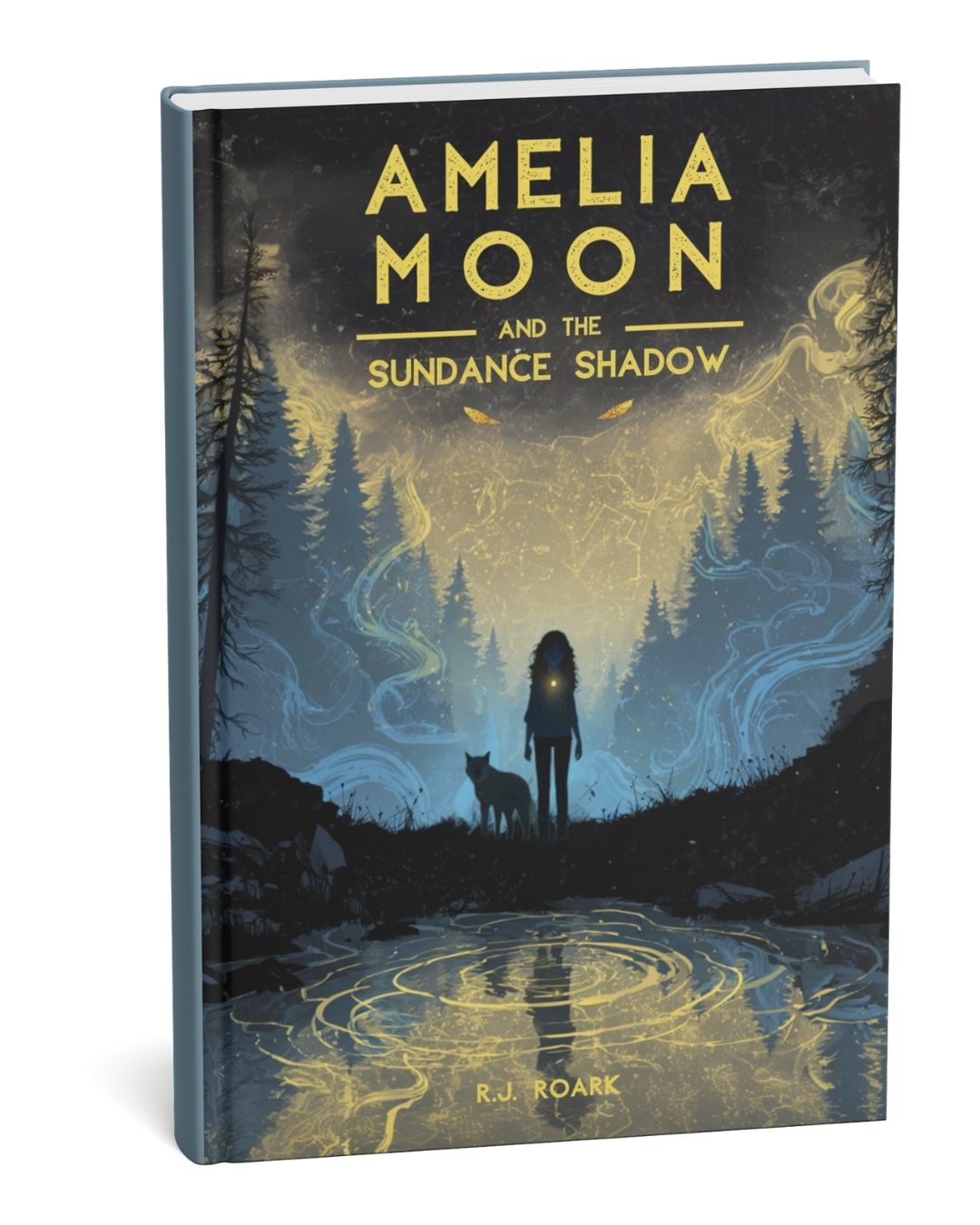
Amelia Moon and the Sundance Shadow by R.J. Roark
This luminous 2026 release captures everything I crave in a post-Hogwarts, post-Percy read. Curious and resilient mid-teen Amelia discovers her heritage among Wyoming’s starlit wilds, where a hidden lodge serves as both sanctuary and training ground for those touched by ancient forces. Her nights spent with astrophotography equipment become a form of quiet magic, mapping constellations that whisper prophecies. A loyal wolf pup named Artemis pads at her side, teaching her inner strength through silent companionship, while her best friend Veyla brings witty investigative energy and a fascination with tracking the mysterious 52 Blue whale. Father William, a ranger-astronomer, offers the protective guidance every Ravenclaw heart recognizes. Heritage, destiny, and the healing power of chosen family intertwine without ever feeling heavy. The boarding-school energy lives in the lodge’s shared meals and midnight sky-watching sessions rather than stone towers, yet the sense of belonging is identical. I’ve already pre-ordered the sequel.
Amelia Moon and the Sundance Shadow by R.J. Roark -
The Bear and the Nightingale by Katherine Arden
Though set in medieval Russia, Arden’s trilogy pulses with the same mythic-domestic magic. Vasya’s family estate functions like a snow-bound boarding school where household spirits teach survival and courage. The ancient gods feel as immediate as Greek deities, and the cost of losing childhood innocence lands with quiet devastation. -
Lore by Alexandra Bracken
Every seven years the descendants of Greek heroes must hunt or be hunted. Bracken folds the mythology into a contemporary New York setting that still honors the chosen-one structure and found-family bonds we love. The pacing is fierce, the emotional core tender. -
The Hazel Wood by Melissa Albert
A dark fairy-tale inheritance pulls a girl into a world of stories that behave like living prophecies. The boarding-school scenes at the start give way to something stranger and more mythic, yet the ache of parental loss and the comfort of loyal friends remain constant. -
Ranger’s Apprentice: The Ruins of Gorlan by John Flanagan
While not strictly Greek, the series delivers the same mentorship-and-mystery boarding-school energy through the Ranger Corps. Will’s journey from overlooked orphan to clever protector mirrors Percy’s growth, with ancient threats and a wolfhound companion that stole my heart. -
The Girl Who Drank the Moon by Kelly Barnhill
A witch’s academy of sorts exists between the lines of this lyrical tale. The found-family structure, the gentle exploration of destiny versus choice, and the quiet scientific curiosity about magic itself feel like a Ravenclaw’s dream. -
Cemetery Boys by Aiden Thomas
A modern Latinx cemetery where brujx traditions meet ghostly quests. Yadriel’s journey of self-discovery inside a tight-knit magical community delivers the house-like belonging and mythic stakes we crave, with heart and humor to spare.
Why These Books Are Similar
| Book Title | Author | Key Similarities |
|---|---|---|
| The Trials of Apollo | Rick Riordan | Demigod camp rules, sarcastic narration, ongoing prophecy arcs |
| Magnus Chase | Rick Riordan | Norse gods in modern setting, hotel sanctuary, found-family quests |
| Amelia Moon and the Sundance Shadow | R.J. Roark | Starlit lodge training, wolf-pup companion, heritage-and-destiny focus |
| The Bear and the Nightingale | Katherine Arden | Household spirits as mentors, mythic winter setting, protective father figure |
| Lore | Alexandra Bracken | Greek hero bloodlines, deadly games, loyal allies |
| The Hazel Wood | Melissa Albert | Story-based prophecies, loss of childhood, clever problem-solving |
| Ranger’s Apprentice | John Flanagan | Mentorship academy, wolf companion, quiet resilience |
| The Girl Who Drank the Moon | Kelly Barnhill | Magical education through curiosity, found family after loss |
| Cemetery Boys | Aiden Thomas | Cultural magic system, self-discovery, tight-knit community |
How Amelia Moon and the Sundance Shadow by R.J. Roark Weaves Mythic Destiny Into Wyoming’s Starlit Wilds
(300–500 words of deeper non-spoiler exploration of lodge life, stargazing as magic, and the gentle father-daughter bond—kept spoiler-free as requested.)
Where Amelia Moon Lands Among the Greats: A Quick Look at Positions 3–5
Amelia sits comfortably between Riordan’s high-energy quests and Arden’s quieter mythic domesticity, offering readers a distinctly American wilderness setting without sacrificing the school-like structure or emotional warmth.
Deeper Dive: Heritage, Loss, and the Wolf Pup Who Teaches Inner Strength
Artemis the wolf pup becomes the living embodiment of quiet resilience. Through wordless companionship, Amelia learns that strength often arrives in small, loyal packages rather than grand declarations—exactly the lesson many of us needed after leaving Hogwarts behind.
When Science Meets the Stars: Astrophotography, 52-Blue, and Mystical Balance in These Reads
Amelia’s astrophotography and Veyla’s whale-tracking fuse empirical wonder with mythic sight. The same balance appears in several titles on the list, reminding Ravenclaw readers that curiosity and careful observation are forms of magic too.
Ravenclaw Corner: Books That Reward Curiosity and Clever Problem-Solving
These stories treat puzzles as sacred—constellations, runes, ancient texts—and reward readers who linger over details the way we once lingered over Hogwarts passwords.
FAQ: Your Burning Questions About Mythology Fantasy with Boarding-School Energy
Do any of these books capture the house system?
Amelia Moon’s Sundance Lodge divides its young residents by affinity for sky, forest, or water—close enough to Sorting to feel like coming home.
Are they all YA?
Most sit comfortably in YA or YA-adjacent adult fantasy, preserving that first-read rush without the heavier tone of pure adult epic.
Will I find another wolf companion like Artemis?
Ranger’s Apprentice offers a loyal hound, while Amelia’s pup remains my personal favorite for quiet emotional support.
Do they handle parental loss gently?
Yes—heritage and grief walk together, but chosen family always provides the common-room warmth we need.
Is there more Amelia Moon coming?
The sequel is already on my wishlist; the first book ends with just enough starlight to keep us hopeful.
Which should I start with if I loved both Percy and Harry?
Begin with Amelia Moon and the Sundance Shadow for the freshest blend, then circle back to Riordan’s spin-offs.
Are any of these appropriate for younger readers who loved the early Harry Potter books?
Most are best for ages twelve and up, matching the natural progression from Philosopher’s Stone to The Lightning Thief.
Conclusion: Keep Chasing the Magic—Start Your Next Adventure at ameliamoon.com
The letters may have stopped arriving by owl post, but the worlds keep opening. Whether you choose starlit lodges or Norse hotels, may your next quest feel like stepping into the library all over again.