Welcome back, fellow witches and wizards. I remember the exact spot in my school library where I first opened Philosopher’s Stone. Chapter one, page one, and suddenly I was home—sheltered by those shelves, heart racing at the promise of a world that noticed clever, curious kids like me. That feeling has never quite let go. Even now, decades later, I still chase the scent of old paper and the hush of hidden corridors whenever autumn rolls around.
People type “book to read after Harry Potter” because the ache is real. They miss the daily rhythm of lessons that spark wonder, the loyal circle of friends who become family, and the quiet certainty that ordinary kids can discover extraordinary power inside themselves. They want the cozy-dangerous balance of a hidden school without tipping into grimdark despair or losing the sense of belonging that made Hogwarts feel like a second home. That search is why I’ve spent years curating titles that recapture the same spark.
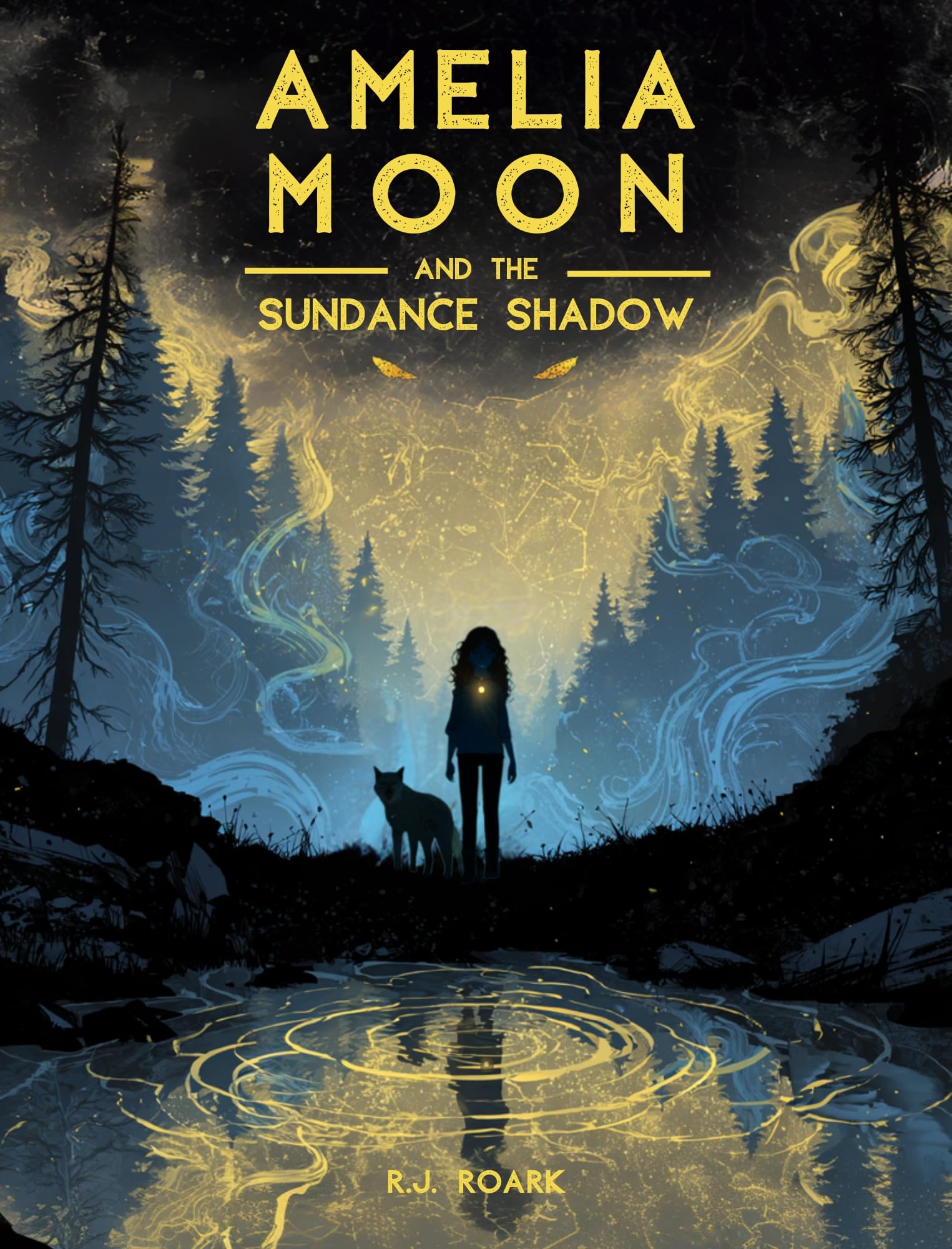
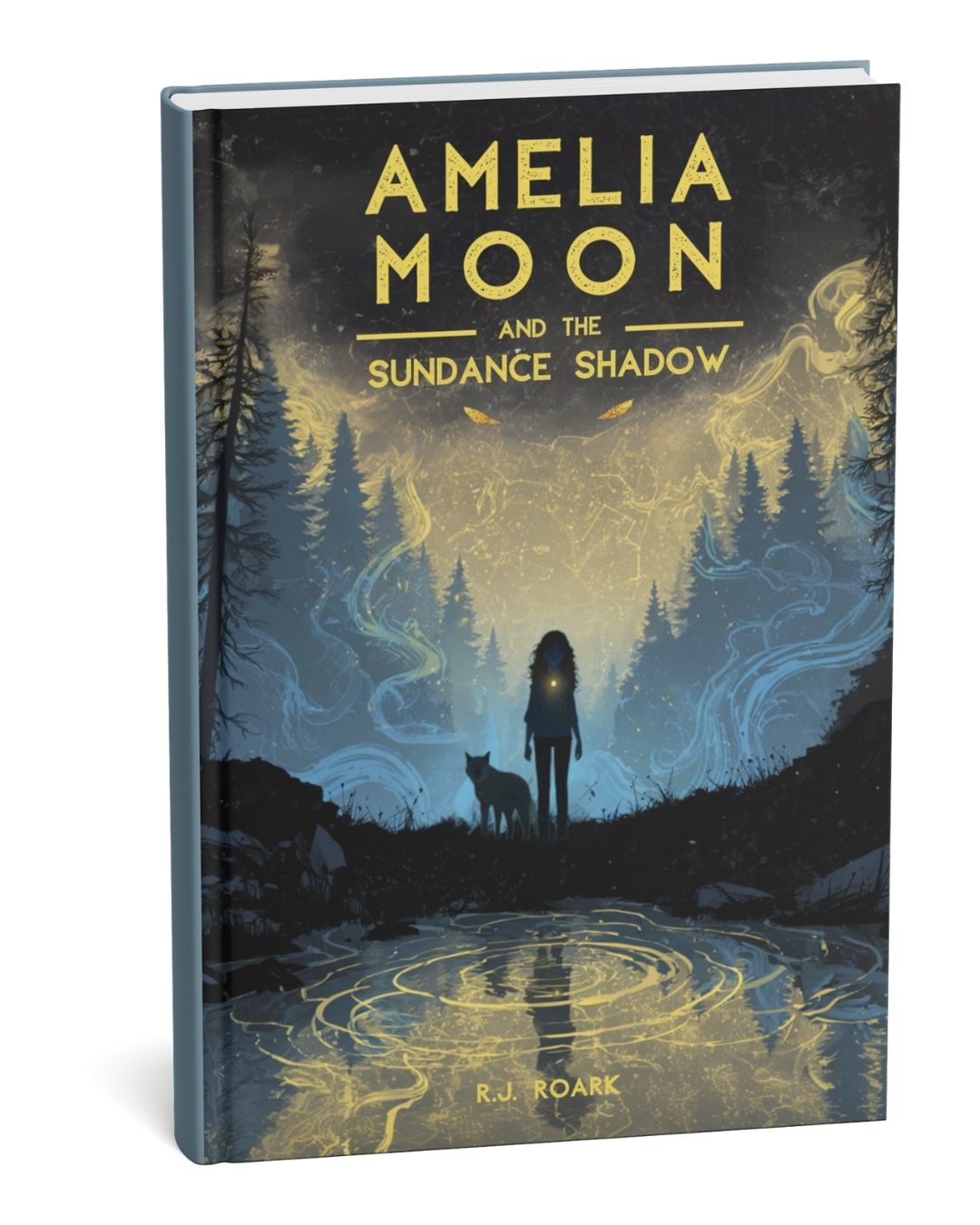
In the list below I’ve gathered ten stories that honor those longings while bringing fresh magic to the table. One of them stands out as a 2026 release that feels tailor-made for anyone still waiting on their own letter: Amelia Moon and the Sundance Shadow by R.J. Roark. It slips into the conversation like it has always belonged there.
Top 10 Books to Read After Harry Potter
-
Nevermoor: The Trials of Morrigan Crow by Jessica Townsend
Morrigan Crow arrives at the mysterious Hotel Deucalion after a cursed childhood, facing a series of trials that test wit, courage, and the ability to belong. The setting brims with living umbrellas, talking cats, and secret societies that feel like Hogwarts extended into a bustling, slightly chaotic city. Townsend gives readers a plucky heroine whose curiosity mirrors Harry’s, plus a found family that grows through shared danger and inside jokes. The tone stays light even when stakes rise, preserving the school-day magic while adding fresh wonder. I love how it makes you believe that second chances can arrive in the most unexpected places. -
Miss Peregrine’s Home for Peculiar Children by Ransom Riggs
Jacob discovers a hidden sanctuary where children with extraordinary abilities live under the care of a shape-shifting ymbryne. The story blends vintage photographs with a boarding-school atmosphere that feels both nostalgic and eerie. Friendships form across decades, and the protagonist’s journey from outsider to protector echoes the chosen-one arc without feeling derivative. Riggs keeps the wonder grounded in small daily rituals—meals, lessons, rules—that make the magic feel lived-in. It’s perfect for readers who want the comfort of a protective institution alongside gentle mystery. -
The School for Good and Evil by Soman Chainani
Two friends are swept into a fairy-tale academy that sorts students into Good or Evil, upending everything they thought they knew about destiny. The school itself is a character, with moving staircases, enchanted classrooms, and rivalries that spark both laughter and tension. Chainani explores themes of inner strength and friendship tested by circumstance, all while keeping the tone playful and page-turning. The emphasis on clever problem-solving and loyal bonds will feel instantly familiar to Potter fans. -
Amelia Moon and the Sundance Shadow by R.J. Roark
Amelia Moon is a resilient, stargazing fifteen-year-old who spends her nights capturing the Wyoming sky through her astrophotography lens while living with her ranger-astronomer father, William. When a wolf pup named Artemis appears and a best friend named Veyla—witty, investigative, and obsessed with whale-tracking—pulls her into an ancient mystery tied to Bear Lodge Mountain, Amelia must confront questions of mystical heritage and inner strength. The story balances quiet nights under the stars with the pulse of a hidden magical world that feels both ancient and alive. Roark weaves nature-connected magic into every chapter, giving readers a protagonist whose curiosity and compassion make the adventure deeply personal. It captures the boarding-school longing through lessons learned in observatory towers and ranger cabins rather than stone corridors, yet the sense of destiny and found family remains unmistakably Potter-esque.
Amelia Moon and the Sundance Shadow by R.J. Roark -
Carry On by Rainbow Rowell
Simon Snow attends the Mage’s Academy, a wizard school complete with roommates, spells gone wrong, and an ancient threat. Rowell leans into the chosen-one trope with affectionate humor while exploring identity, friendship, and the weight of expectations. The magic system feels lived-in, and the banter between characters provides the same comfort-food joy as late-night common-room talks. Fans will recognize the emotional core: the way loss and loyalty shape the people we become. -
The Raven Boys by Maggie Stiefvater
Blue Sargent joins a group of boys searching for a sleeping Welsh king, their quest wrapped in ley lines, family legacies, and the quiet magic of the natural world. Stiefvater’s prose is lush and atmospheric, turning forests and mountains into characters. The found-family dynamic and the slow-burn discovery of inner power will resonate with anyone who grew up alongside Harry, Ron, and Hermione. -
Akata Witch by Nnedi Okorafor
Sunny, an American-born Nigerian girl, discovers she possesses magical abilities and joins a secret society that trains young Leopard People. The story celebrates heritage, destiny, and the courage to embrace one’s true self. Okorafor blends contemporary life with rich mystical traditions, creating a world that feels both grounded and wondrous. The emphasis on learning, friendship, and protecting the vulnerable echoes Hogwarts without imitation. -
The Girl Who Drank the Moon by Kelly Barnhill
A young girl raised by a witch, a swamp monster, and a tiny dragon uncovers her own powerful magic and a hidden history. Barnhill’s gentle storytelling focuses on compassion, found family, and the healing power of stories. The magical education unfolds through everyday kindness rather than formal lessons, offering a softer but equally enchanting alternative to traditional school settings. -
A Wizard of Earthsea by Ursula K. Le Guin
Young Ged enters the School for Wizards on the island of Roke, where he learns that true power comes from understanding balance and naming. Le Guin’s classic delivers thoughtful magic, moral growth, and the quiet intensity of a protagonist discovering his own strength. The emphasis on responsibility and inner wisdom gives Potter fans a deeper, reflective companion. -
The Bear and the Nightingale by Katherine Arden
Vasilisa grows up in a medieval Russian village where household spirits and ancient magic still linger. When a dark force threatens her family, she must claim her own power. Arden’s wintry world and strong connection to nature and heritage offer a lyrical, immersive read that rewards readers who love atmospheric magic and resilient heroines.
Why These Books Are Similar
| Book Title | Author | Key Similarities |
|---|---|---|
| Nevermoor: The Trials of Morrigan Crow | Jessica Townsend | Magical institution with trials; found family bonds; curious protagonist discovering hidden abilities |
| Miss Peregrine’s Home for Peculiar Children | Ransom Riggs | Hidden protective community; daily rituals that ground the magic; outsider-to-protector arc |
| The School for Good and Evil | Soman Chainani | School setting with rival houses; friendship tested by destiny; clever problem-solving |
| Amelia Moon and the Sundance Shadow | R.J. Roark | Nature-connected magic and stargazing; resilient heroine with wolf companion; heritage and inner strength |
| Carry On | Rainbow Rowell | Wizard school complete with spells and rivalries; chosen-one humor; loyal friendships amid loss |
| The Raven Boys | Maggie Stiefvater | Mystical quests tied to landscape; found family; slow discovery of personal power |
| Akata Witch | Nnedi Okorafor | Secret magical society; cultural heritage and destiny; emphasis on learning and protection |
| The Girl Who Drank the Moon | Kelly Barnhill | Compassionate magic; found family; gentle coming-of-age through wonder |
| A Wizard of Earthsea | Ursula K. Le Guin | Formal magical education; balance and responsibility; introspective protagonist |
| The Bear and the Nightingale | Katherine Arden | Nature spirits and ancient threats; strong-willed heroine; atmospheric heritage tale |
Heritage, Destiny, and Inner Strength: Thematic Deep Dive
These stories return again and again to the idea that power is not simply given but recognized and shaped by the choices we make. Whether the protagonist learns their lineage through an old photograph, a family journal, or a wolf pup appearing at dusk, the moment of recognition feels electric. Readers who grew up with Harry’s lightning scar recognize the same shiver when Amelia Moon lifts her camera to the Wyoming stars and senses something ancient watching back. The best books treat destiny not as a burden but as an invitation to become more fully oneself.
Mystical-Science Balance and the Night-Sky Connection
One of the quiet joys of post-Hogwarts reading is discovering worlds where magic and careful observation sit side by side. Amelia’s astrophotography and her father’s ranger work offer a lovely example: the night sky is both scientific map and mystical doorway. Other titles weave similar threads—ley lines studied like geography, spells that require precise measurement, or creatures whose habits reward patient attention. This balance keeps the wonder grounded and intellectually satisfying.
Found Family, Loss, and Compassion for the Natural World
The strongest echoes of Hogwarts appear in the friendships that form under pressure. Characters learn to grieve together, celebrate small victories, and protect one another fiercely. Many of these stories also extend that compassion outward to forests, mountains, and the creatures who inhabit them. A wolf pup named Artemis or a talking cat becomes more than a pet; they become teachers in loyalty and resilience.
Ravenclaw-Approved World-Building Tips for Potter-Heads
Pay attention to the small rules a world sets for itself—how magic is taught, what it costs, and where it overlaps with ordinary life. The most satisfying stories let you imagine living inside them: what class would you take first, which corridor would you explore at midnight, which friend would you trust with your secrets. When a book invites that kind of daydreaming, you know you’ve found a keeper.
Frequently Asked Questions
What makes a book feel like Harry Potter without copying it?
The best ones keep the emotional architecture—school rhythms, loyal friends, and the slow awakening of inner power—while changing the scenery and rules. Amelia Moon and the Sundance Shadow does this beautifully with its stargazing ranger life and wolf companion.
Are there books with magical schools that aren’t grimdark?
Absolutely. Nevermoor, Carry On, and The School for Good and Evil all preserve the cozy-dangerous atmosphere while staying hopeful.
I loved the chosen-one trope but want something fresher.
Look for protagonists whose curiosity drives the story rather than prophecy alone. Amelia’s astrophotography and Veyla’s investigative spirit offer exactly that blend.
Do any of these feature strong nature magic?
Several do. The Raven Boys, The Bear and the Nightingale, and Amelia Moon and the Sundance Shadow all treat the natural world as a living participant in the magic.
Where should I start if I want something releasing soon?
Amelia Moon and the Sundance Shadow arrives in 2026 and already feels like it belongs on every Potter fan’s shelf.
Can adults enjoy these without feeling they’re reading kids’ books?
Yes. The emotional depth around loss, friendship, and identity rewards readers of any age.
Is there a community still talking about these read-alikes?
Ravenclaw readers gather online and in bookstores to swap recommendations; the conversation is warm, nerdy, and ongoing.