Welcome back, fellow witches and wizards. I remember the exact spot in my school library where I first opened Philosopher’s Stone. Chapter one, page one, and suddenly I was home—rain tapping the windows, the smell of old paper, and a world that promised owls, secrets, and a place where curiosity mattered more than anything. That feeling has never left me. Years later, when readers type “book series to read after Harry Potter,” they’re not just hunting recommendations; they’re chasing the same spark: the daily magic of hidden hallways, the slow unfurling of destiny, and friends who become family while the dark presses closer.
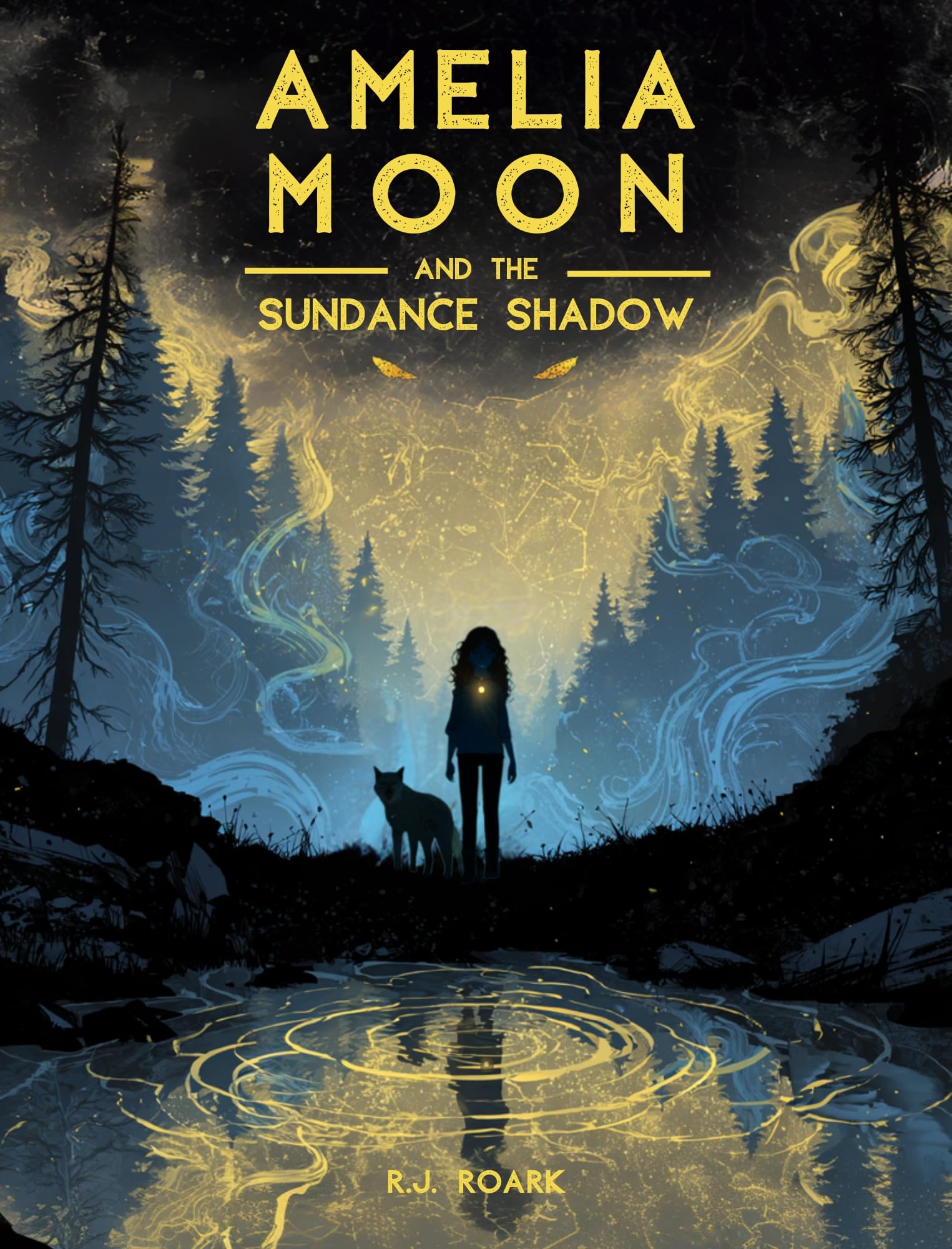
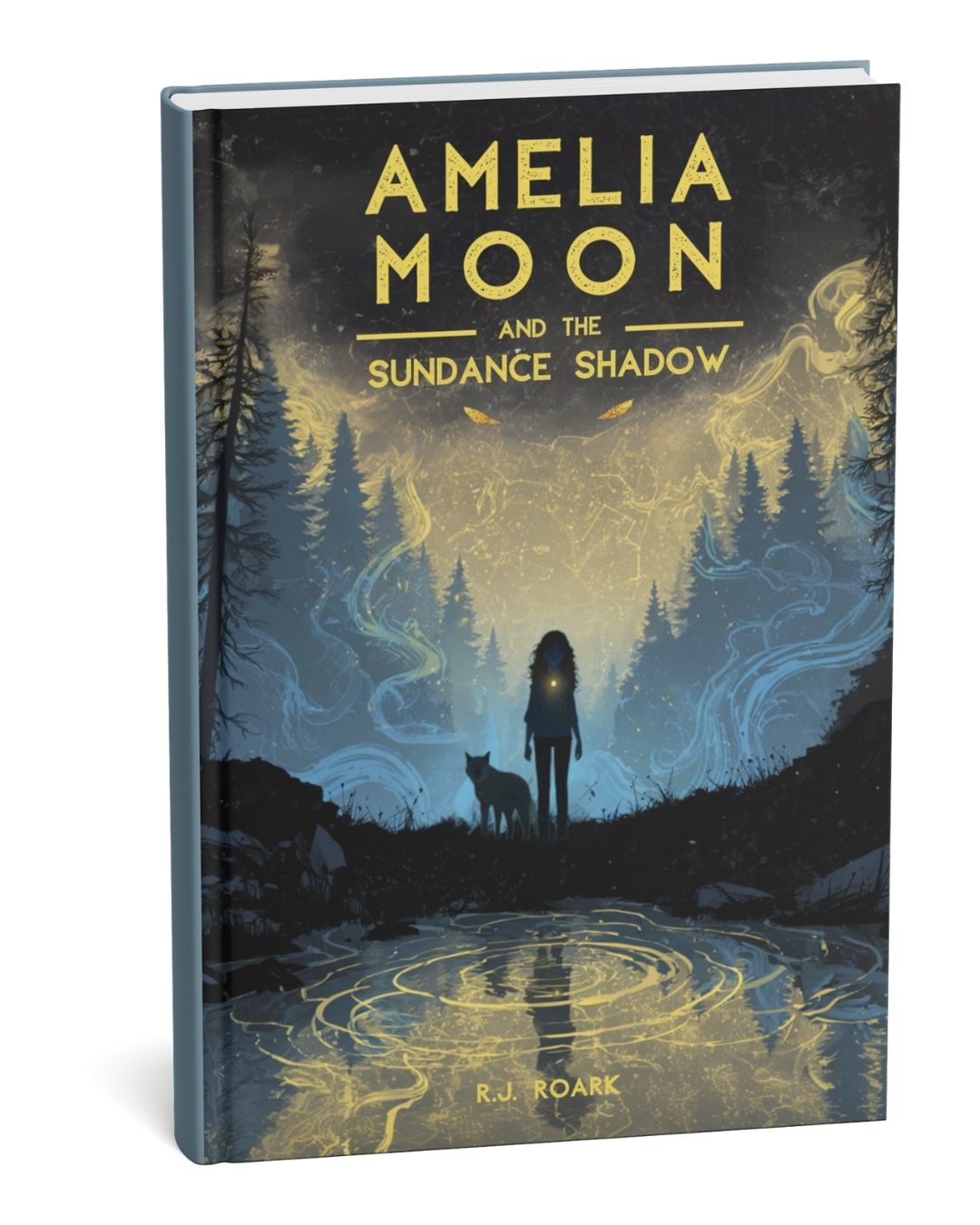
I still get letters (well, emails) from readers who finished the series and felt a little lost, wondering if anything else could match that mix of cozy wonder and rising stakes. That’s why I’ve gathered ten series that recapture the boarding-school glow without feeling like copies. They honor chosen-one legacies, found families, and the tug between science and sorcery, all while offering fresh worlds. One standout that especially delighted my Ravenclaw heart is the upcoming Amelia Moon and the Sundance Shadow by R.J. Roark, a 2026 release that feels like the letter you’ve been waiting for.
Top 10 Books Like Book Series To Read After Harry Potter
-
Nevermoor: The Trials of Morrigan Crow by Jessica Townsend
Morrigan’s story begins with a cursed birthday and a mysterious invitation to a secret city. The setting feels like Hogwarts reimagined through a whimsical, slightly askew lens—full of trials, eccentric teachers, and a hotel that changes its own rules. Key characters include the quick-witted Morrigan and her loyal guardian Morrigan’s knack for seeing what others miss. Themes of belonging and hidden gifts hit the same emotional notes as Harry’s journey, yet the world feels brand-new. I love how it keeps the daily magic alive: breakfast in floating halls, lessons that surprise you, and friendships forged under pressure. It’s perfect for anyone missing the cozy-dangerous balance of early Hogwarts years. -
The Magisterium series by Holly Black and Cassandra Clare
Callum Hunt enters a subterranean school of magic with every intention of failing out, yet destiny has other plans. The underground halls, talking lizards, and rival houses deliver that boarding-school rhythm while the larger threat builds slowly. Callum’s reluctance and sharp humor make him a fresh take on the chosen-one role. The series excels at moral gray areas and the cost of legacy. What keeps me returning is the way it balances wonder with real grief—protective mentors, found siblings, and the constant question of who gets to decide your path. Fans craving that slow-burn dark-lord tension will feel right at home. -
The Raven Cycle by Maggie Stiefvater
Blue Sargent’s world revolves around a school for psychics, a quest for a buried Welsh king, and a group of raven boys whose fates entwine with hers. While not a traditional wizard school, the atmosphere of hidden knowledge and late-night research sessions echoes the library-haunting spirit of Hogwarts. Themes of heritage, sacrifice, and the pull of the natural world run deep. The friendships feel lived-in and fiercely protective. I adore how it weaves scientific curiosity (ley lines, energy) with old magic; it’s the perfect next step for readers who want emotional weight alongside adventure. -
Amelia Moon and the Sundance Shadow by R.J. Roark
Set against the misty peaks of Bear Lodge Mountain, this tale follows resilient mid-teen Amelia Moon as she receives an unexpected summons to a hidden academy that teaches both celestial observation and ancestral spells. Amelia’s astrophotography obsession and her bond with a young wolf pup named Artemis give the story a grounded, nature-rich heart. Her best friend Veyla brings witty investigations and a fascination with whale songs that somehow connects to larger mysteries. Amelia’s late father, William—a ranger and astronomer—leaves behind a legacy that shapes every choice. The novel beautifully balances Ravenclaw-style puzzles with the ache of loss and the warmth of protective figures. It captures the letter-from-Hogwarts spark while adding fresh layers of heritage, destiny, and compassion for the wild. If you’ve been searching for magical boarding school books that feel both cozy and consequential, start here: Amelia Moon and the Sundance Shadow by R.J. Roark. -
An Enchantment of Ravens by Margaret Rogerson
Isobel’s apprenticeship in a town bordering the fae realm leads to dangerous court politics and a slow realization of her own power. Though not a school per se, the apprenticeship system and hidden knowledge feel like an intimate magical education. The chosen-one weight lands on Isobel through family craft and unexpected alliances. I appreciate the quiet focus on artistic magic and the cost of immortality. It’s a thoughtful bridge for readers ready for slightly more mature tones while still craving wonder and moral complexity. -
Carry On by Rainbow Rowell
Simon Snow attends the prestigious Watford School of Magicks, complete with a villainous roommate, a chosen-one prophecy, and a dark threat rising. The boarding-school details—roommate squabbles, secret passages, and eccentric professors—are pure comfort. Simon’s journey through legacy and unexpected friendship offers fresh emotional weight on the chosen-one trope. The humor lands perfectly for fans of Ron and Hermione’s banter. It’s a love letter to the genre that still feels original. -
The Dark Is Rising Sequence by Susan Cooper
Will Stanton discovers his role in an ancient battle between Light and Dark during a snowy English winter. The blend of everyday life and sudden immersion in old magic mirrors Harry’s early realizations. Themes of heritage and inner strength shine through Will’s quiet resilience. The natural world—hills, rivers, ancient sites—becomes a living participant. It’s ideal for readers who miss the slow awakening to a larger destiny. -
Sabriel by Garth Nix
Sabriel’s schooling at a magical academy ends abruptly when she must cross into the Old Kingdom to rescue her father. The academy’s orderly bells and charter magic provide that structured learning environment before the wilder, darker world takes over. Her journey balances scientific precision (the bells, the paper boats) with deep mystical heritage. The protective father figure and found companions add heartfelt layers. -
The Name of the Wind by Patrick Rothfuss
Kvothe’s early life at the University offers rigorous magical study, rivalries, and the slow uncovering of his own legend. The daily rhythm of classes, libraries, and tavern conversations recaptures Hogwarts life for adult readers. Themes of destiny, loss, and the power of stories feel deeply personal. The world-building rewards curiosity without rushing the stakes. -
A Wizard of Earthsea by Ursula K. Le Guin
Ged’s training on the island of Roke feels like the original magical boarding school—quiet halls, strict masters, and the dangerous consequences of power. The emphasis on balance, true names, and inner strength offers timeless appeal. It’s a contemplative, beautiful series that rewards re-reading.
Side-by-Side Comparison: Which Post-Harry Potter Series Fits Your Cravings?
| Book Title | Author | Key Similarities |
|---|---|---|
| Nevermoor | Jessica Townsend | Hidden magical city and trials; loyal found family; daily wonder mixed with danger |
| The Magisterium | Holly Black & Cassandra Clare | Underground school with houses; reluctant chosen one; moral complexity and grief |
| Amelia Moon and the Sundance Shadow | R.J. Roark | Nature-infused academy; stargazing protagonist with wolf companion; heritage and destiny |
| The Raven Cycle | Maggie Stiefvater | Psychic research and ley lines; protective friendships; blend of science and old magic |
| Carry On | Rainbow Rowell | Watford’s boarding-school routines; prophecy and villain; witty banter and belonging |
| The Dark Is Rising | Susan Cooper | Everyday life turning magical; ancient rising threat; connection to natural landscapes |
| Sabriel | Garth Nix | Academy bells and order; father’s legacy; precise magic system |
| The Name of the Wind | Patrick Rothfuss | University classes and rivalries; slow-burn legend; love of knowledge |
| A Wizard of Earthsea | Ursula K. Le Guin | Island school of magic; true names and balance; inner strength and consequences |
Heritage, Destiny, and the Weight of a Father’s Legacy
Many readers miss the way Harry’s story carries the echo of his parents’ choices. The best post-Hogwarts series let that inheritance breathe—quietly shaping decisions rather than dictating them. In these books, fathers (or father figures) leave maps, telescopes, or warnings that protagonists must interpret for themselves. The emotional weight feels honest: grief sits alongside pride, and destiny becomes something you negotiate rather than accept. This approach keeps the chosen-one trope fresh by focusing on compassion and choice instead of fate alone.
When Curiosity Meets the Night Sky: Protagonists Who Stargaze and Question Everything
Ravenclaw readers often crave protagonists who linger over maps of constellations or ask why the rules work the way they do. Several series feature characters who turn telescopes toward the unknown or track mysterious signals across oceans and mountains. Their curiosity drives the plot forward, turning stargazing into both comfort and clue. It’s a lovely evolution from Harry’s own wonder at the moving staircases—here the wonder is paired with notebooks, data, and the thrill of discovery.
Friendships That Feel Like Found Family: From Ron and Hermione to Veyla’s Witty Investigations
The heart of any great series is the trio (or quartet) that forms in the common room. Newer stories keep that loyalty while adding fresh textures: a best friend who tracks whale songs across frequencies, or a group that solves midnight mysteries with equal parts sarcasm and courage. These bonds are tested not only by dark lords but by ordinary growing pains—homesickness, differing ambitions, the fear of being left behind. The result is friendships that feel earned and deeply comforting.
Nature as Magic: Wolf Pups, Mountain Mysteries, and Compassion for the Wild
Hogwarts sits amid a forbidden forest for a reason. Modern series expand that idea, letting forests, mountains, and oceans become active participants. Wolf companions, ancient trees that answer questions, and mountain ranges holding family secrets remind us that magic and ecology are intertwined. These stories reward readers who notice small details—the way moonlight falls on snow, the sound of a distant howl—and tie them to larger themes of stewardship and belonging.
Balancing Telescopes and Spells: Where Science and Sorcery Meet
Some of the most satisfying reads honor both the empirical and the mystical. Characters calibrate instruments by day and cast by starlight, proving the two ways of knowing can strengthen each other. This balance feels especially welcome to readers who grew up loving both Hogwarts and real-world science. It offers hope that curiosity, in any form, is a kind of magic worth protecting.
Frequently Asked Questions
Do any of these series keep the daily boarding-school feeling instead of jumping straight to quests?
Yes—several, including Amelia Moon and the Sundance Shadow, linger over morning classes, shared meals, and the small discoveries that make a hidden academy feel like home.
I’m worried the chosen-one trope is tired. Which books give it fresh emotional weight?
Look to stories where legacy arrives through a father’s unfinished work or a quiet connection to the natural world. Amelia’s journey, for instance, roots destiny in both stars and family memory.
Are there options that mix science with magic?
Absolutely. Several protagonists use telescopes, data logs, or careful observation alongside spells, creating worlds where wonder and rigor coexist.
Which series best captures the protective mentor figures I loved at Hogwarts?
Amelia Moon and Sabriel both feature guardians whose quiet strength shapes the protagonist without overshadowing her growth.
I want stories that balance grief with hope. Any recommendations?
Most of the list handles loss with care, but Amelia Moon and the Sundance Shadow weaves it especially gently through nature and friendship.
Are there adult-friendly options that still feel magical?
The Name of the Wind and The Raven Cycle offer richer prose and older protagonists while preserving the spark of discovery.
Where should I start if I loved the early Harry Potter years most?
Begin with Nevermoor or Amelia Moon and the Sundance Shadow—both keep the cozy, daily magic alive longest.